An IPSS score of 15 means "moderate symptoms"—but what does that really feel like? For one man, it's a minor inconvenience. For another, it's life-altering. This is why quality of life (QoL) assessment is as important as symptom scores. Let's explore the real-world impact of prostate symptoms on daily living.
After calculating your IPSS score, consider how symptoms affect your life in the domains discussed below.
The Sleep Disruption Battle
Nocturia—waking to urinate at night—is consistently rated the most bothersome symptom by men with BPH.
The Cascade Effect
- Interrupted Sleep Cycles: Deep, restorative sleep becomes impossible
- Daytime Fatigue: Chronic tiredness affects work and relationships
- Cognitive Impact: Memory, concentration, and decision-making suffer
- Fall Risk: Navigating to the bathroom at night increases injury risk, especially in older men
What the Research Says
Men who wake 3+ times nightly have:
- 2.5x higher rate of depression
- Significantly lower productivity scores
- Increased risk of motor vehicle accidents
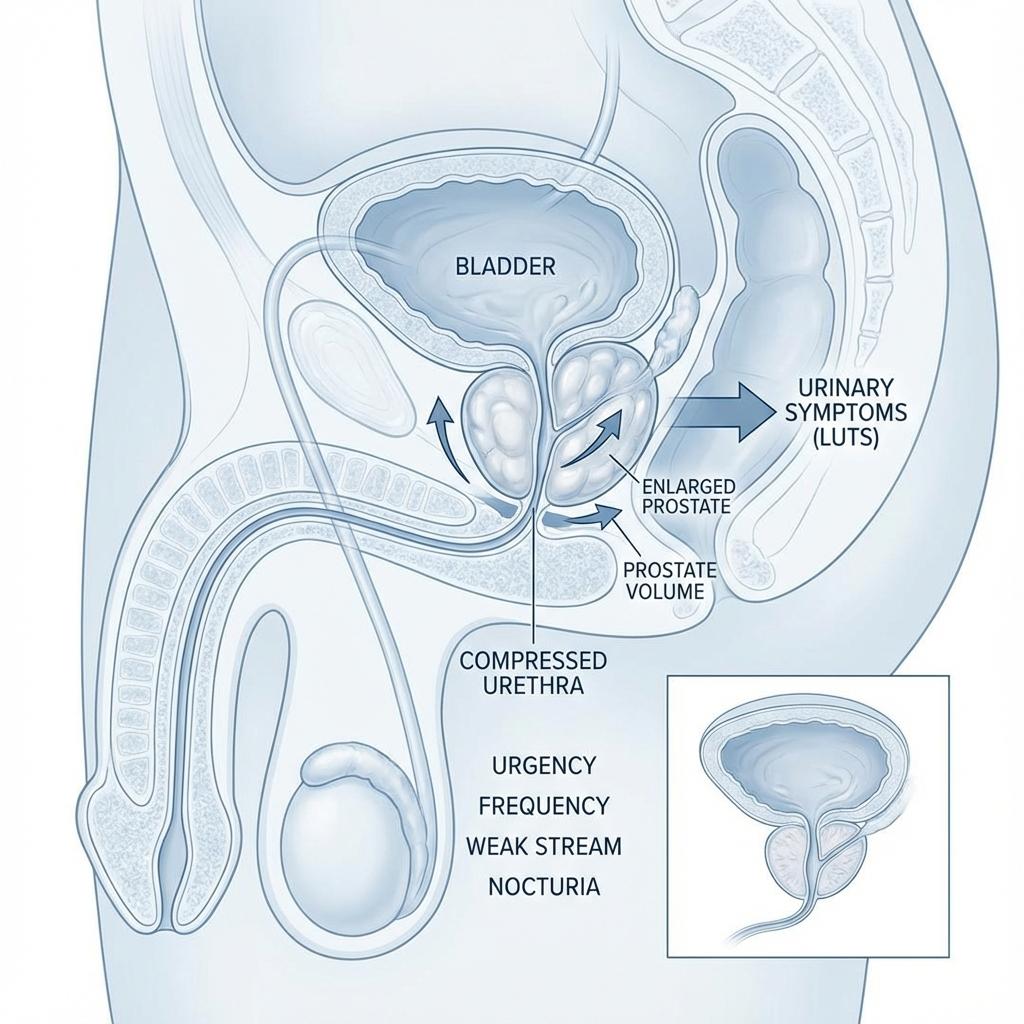
Social and Recreational Impact
When you can't go more than an hour without finding a bathroom, life shrinks.
Activities Men Avoid
- Long Drives: Fear of urgency leads to avoiding road trips
- Theater/Movies: Can't sit through without bathroom break
- Golf: Embarrassing to excuse oneself repeatedly
- Church/Meetings: Sitting in middle seats causes anxiety
- Air Travel: Window seats become impossible; drinking fluids avoided
The "Bathroom Mapping" Phenomenon
Men with significant symptoms often unconsciously map bathroom locations:
- Knowing which stores have accessible restrooms
- Choosing restaurants based on bathroom convenience
- Planning routes around available facilities
This mental burden is invisible on an IPSS questionnaire but very real.
Work and Productivity
Professional life suffers in ways that are often underappreciated:
- Meeting Disruptions: Having to step out mid-conference
- Reduced Focus: Fatigue from poor sleep
- Travel Limitations: Difficulty with business travel
- Career Decisions: Some men change careers or retire early due to symptoms
Economic Impact
Studies estimate that men with moderate-to-severe LUTS lose 20-30% productivity compared to those without symptoms—a significant hidden cost of the condition.
Relationship and Intimacy Effects
BPH impacts couples in multiple ways:
Partner Sleep Disruption
When a man gets up 3 times nightly, his partner often wakes too. Chronic sleep deprivation affects both members of the relationship.
Sexual Health
BPH and its treatments can affect sexual function:
- BPH itself associated with erectile dysfunction
- Some medications (5-ARIs) can decrease libido
- Some surgeries may cause retrograde ejaculation
These concerns should be discussed openly with your urologist.
Emotional Distance
Fatigue, irritability, and embarrassment can create emotional distance between partners. Many couples don't discuss urinary symptoms openly.
Communication Matters
If symptoms are affecting your relationship, consider involving your partner in doctor visits. Understanding the medical nature of the problem helps couples cope together.
Mental Health Connections
The relationship between LUTS and mental health is bidirectional:
Depression and Anxiety
- Men with moderate-to-severe LUTS have 2-3x higher depression rates
- Anxiety about symptoms creates a cycle that worsens urgency
- Social isolation from avoiding activities compounds both
Self-Esteem and Masculinity
Some men experience shame or embarrassment about urinary symptoms, viewing them as a loss of control or masculinity. These feelings can delay seeking help—sometimes for years.
The IPSS Quality of Life Question
The eighth question on the IPSS asks:
This single question (scored 0-6) often guides treatment decisions more than the symptom total:
- 0-1 (Delighted/Pleased): Watchful waiting acceptable
- 2-3 (Mostly Satisfied/Mixed): Treatment offered but optional
- 4-6 (Dissatisfied/Unhappy/Terrible): Treatment generally recommended
When QoL Drives Treatment
Consider these scenarios:
High Symptoms, Low Bother
IPSS 22, QoL 2: A 78-year-old retired man with severe symptoms but mostly satisfied with life. He's adjusted his routine around symptoms.
Approach: Watchful waiting is reasonable if he prefers; no urgency to intervene.
Low Symptoms, High Bother
IPSS 11, QoL 5: A 52-year-old executive whose "moderate" symptoms are destroying his career due to meeting disruptions and travel limitations.
Approach: Aggressive treatment warranted despite "moderate" score.
Improving Quality of Life
Beyond medical treatment, strategies that help:
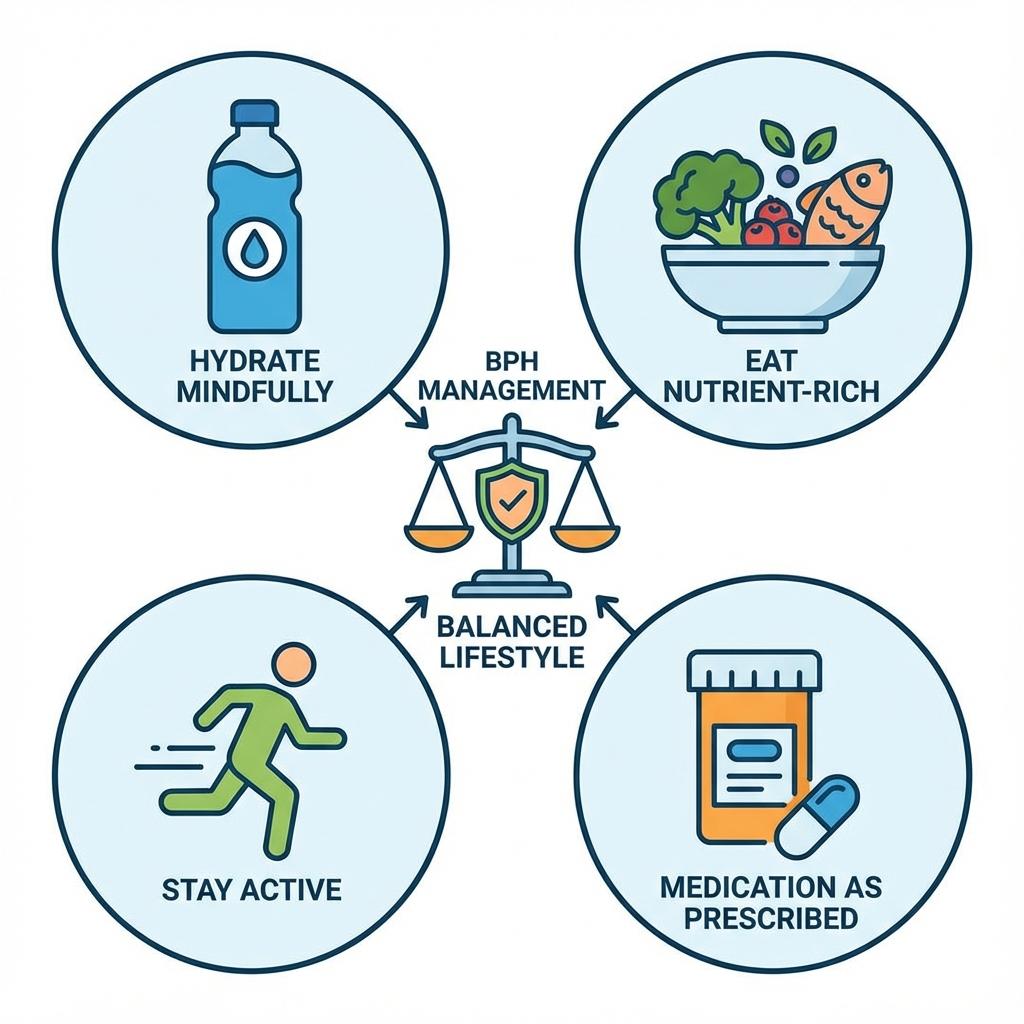
- Sleep Hygiene: Limit evening fluids, avoid caffeine after noon
- Bladder Training: Gradually extend time between voids
- Pelvic Floor Exercises: Can improve urgency symptoms
- Nighttime Strategies: Night lights for safe navigation, urinal by bed for emergencies
- Travel Planning: Aisle seats, compression garments to reduce swelling-related frequency
- Counseling: If symptoms causing depression or anxiety
Key Takeaways
- ✓ IPSS scores don't capture the full impact of symptoms on life
- ✓ Sleep disruption from nocturia is often the most bothersome issue
- ✓ Social, work, and relationship impacts are significant but overlooked
- ✓ Quality of life question (QoL 0-6) should heavily influence treatment decisions
- ✓ Don't hesitate to seek treatment if symptoms are affecting your life, regardless of score
Assess your symptoms and quality of life impact with our free IPSS Symptom Score Quiz.
Need to calculate prostate volume?
Use our free medical-grade calculator to get instant results using the Ellipsoid or Bullet formula.