Choosing active surveillance for low-risk prostate cancer is a powerful decision—avoiding unnecessary treatment while monitoring for progression. PSA Doubling Time (PSADT) is one of the most important tools for knowing when surveillance remains safe and when it's time to intervene.
Monitor your PSA trajectory with our PSADT Calculator.
What Is Active Surveillance?
Active surveillance (AS) is a management strategy for men with low-risk prostate cancer. Rather than immediate surgery or radiation, men are closely monitored with:
- Regular PSA testing (every 3-6 months)
- Periodic prostate biopsies (every 1-2 years initially)
- MRI imaging (increasingly common)
- Digital rectal exams
The goal: defer treatment indefinitely if cancer remains indolent, intervene promptly if it shows signs of aggression.
Why PSADT Matters in Active Surveillance
Among all monitoring tools, PSADT is uniquely valuable because:
- It reflects tumor biology (growth rate)
- It's non-invasive (unlike biopsy)
- It provides continuous risk stratification
- It helps distinguish indolent from aggressive behavior
PSADT Thresholds in AS Protocols
Major active surveillance protocols use PSADT as a trigger for intervention:
| Protocol | PSADT Trigger | Action Recommended |
|---|---|---|
| Johns Hopkins | <3 years | Consider intervention |
| UCSF | <3 years + velocity >0.35 | Repeat biopsy |
| Toronto | <3 years | Earlier biopsy/treatment discussion |
| PRIAS | <3 years | Recommend intervention |
The 3-Year Threshold
A PSADT of less than 3 years is the most commonly used trigger across protocols. If your PSA would double in under 3 years at current rate, intervention is typically discussed.
What PSADT Tells You
PSADT >10 Years: Very Reassuring
- Cancer is growing extremely slowly
- May never cause problems during lifetime
- Continued surveillance very appropriate
PSADT 3-10 Years: Reassuring
- Slow growth pattern
- Continue surveillance with standard protocol
- Most men in this range remain on AS long-term
PSADT 1-3 Years: Caution
- Faster than expected growth
- May warrant:
- Repeat MRI
- Earlier biopsy
- Detailed treatment discussion
- Doesn't automatically mean treatment, but needs attention
PSADT <1 Year: Concerning
- Rapid growth suggests more aggressive disease
- Most protocols would recommend definitive treatment
- Staging imaging often appropriate

PSADT Isn't Everything
While important, PSADT is one piece of the puzzle. Other factors matter:
- Pathology: Gleason grade group on biopsy
- MRI Findings: PI-RADS scores, lesion size
- Core Involvement: Number and percentage of positive cores
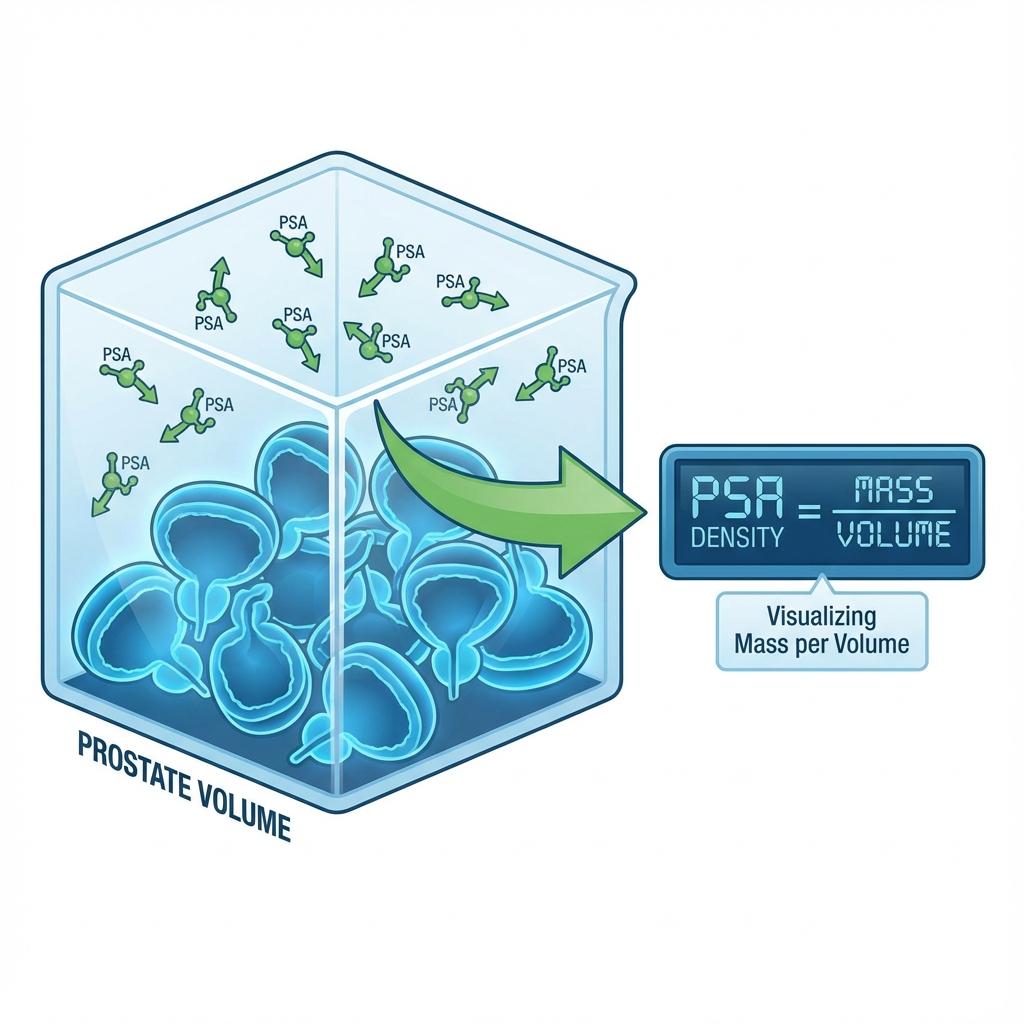
- PSA Density: PSA relative to prostate volume (calculate)
- Patient Age/Health: Life expectancy considerations
Common Scenarios
Scenario 1: Stable and Safe
Patient: 62-year-old, Gleason 3+3, 1 of 12 cores positive (5%)
PSA: Baseline 5.2 → 5.8 → 6.1 over 3 years
PSADT: >10 years
Recommendation: Continue surveillance confidently. Excellent candidate for long-term AS.
Scenario 2: Borderline—Needs Discussion
Patient: 58-year-old, Gleason 3+3, 2 of 12 cores positive
PSA: Baseline 4.5 → 6.0 → 7.8 over 2 years
PSADT: ~2.5 years
Recommendation: Approaching threshold. Repeat MRI. Discuss treatment options. May continue AS with closer monitoring.
Scenario 3: Time to Consider Treatment
Patient: 65-year-old, Gleason 3+3, 2 cores positive
PSA: Baseline 5.0 → 7.5 → 11.2 over 18 months
PSADT: ~10 months
Recommendation: Rapid rise. Repeat biopsy/MRI urgently. Likely upgrade. Definitive treatment discussion advised.
Practical Tips for AS Patients
- Keep Records: Track every PSA test with date and value
- Same Lab: Use the same laboratory for consistency
- Calculate Regularly: Use our PSADT Calculator between appointments
- Don't Panic at Single Values: One high value can be infection/artifact
- Communicate: Share your tracking with your oncologist
Key Takeaways
- ✓ PSADT <3 years is the common threshold triggering intervention discussion
- ✓ Slow doublers (>10 years) can safely remain on surveillance long-term
- ✓ PSADT is one factor—combine with biopsy, MRI, and density
- ✓ Monitor regularly and bring trends to your oncologist
- ✓ Active surveillance remains appropriate for most low-risk cancers
Track your PSA trajectory with our free PSA Doubling Time Calculator.
Need to calculate prostate volume?
Use our free medical-grade calculator to get instant results using the Ellipsoid or Bullet formula.